

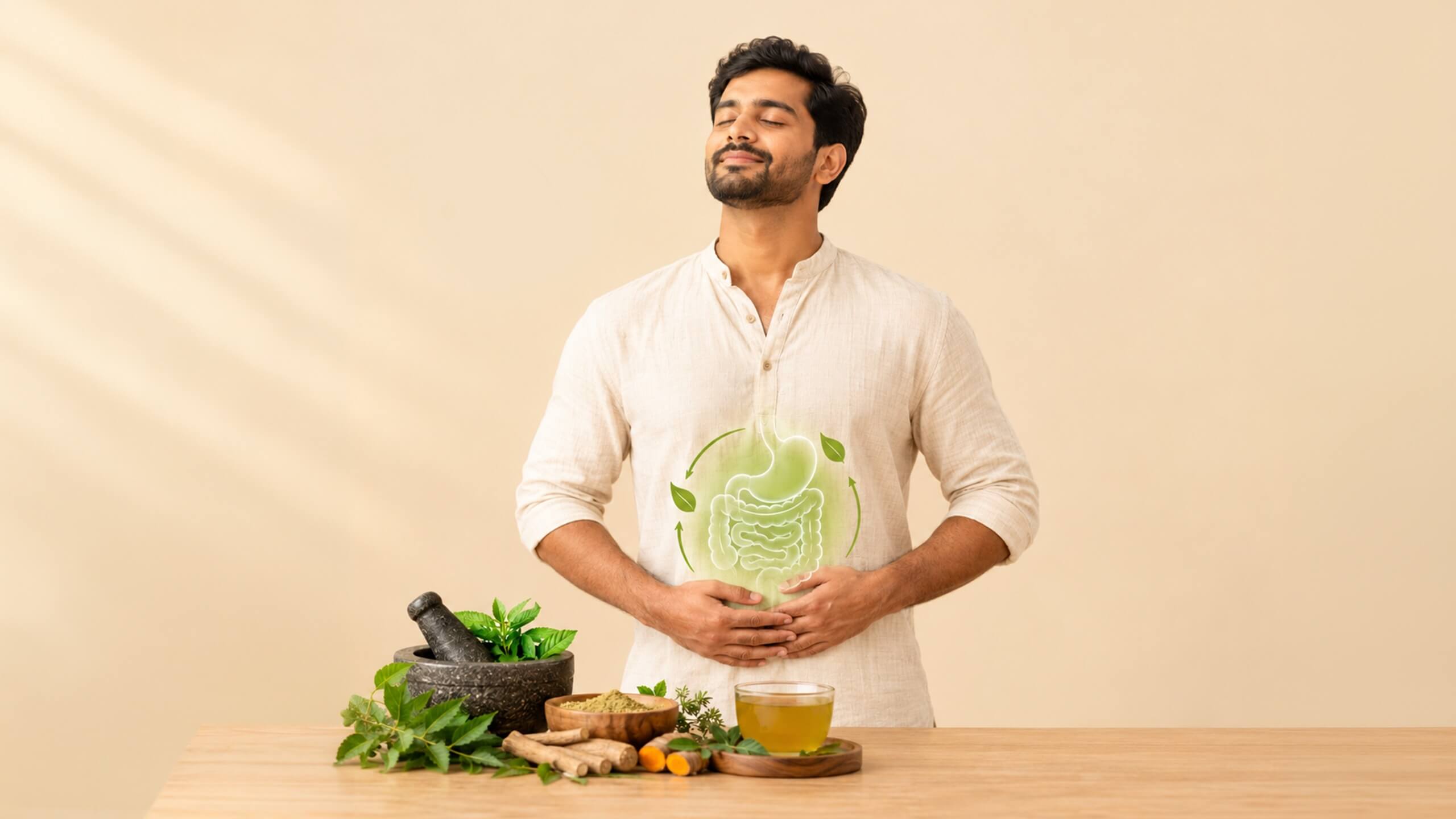
We live in an age of detoxification. Detox drinks, juice cleanses, fasting programmes, cleansing teas and wellness retreats promise to rid the body of toxins and leave us feeling lighter, healthier and rejuvenated. Every few months, a new detox trend appears, often accompanied by dramatic before-and-after pictures and impressive promises.
But have you ever stopped to ask yourself what exactly you are detoxifying? What are these toxins? Does everyone need to detox? And where does Ayurveda fit into this increasingly popular conversation?
Interestingly, Ayurveda has its own long-established approach to cleansing, known as Shodhana. But it is rather different from the detox trends we see advertised today. Understanding this difference is important, especially if we are considering cleansing as a part of our healthcare routine.
What does Shodhana actually mean?
In Ayurveda, Shodhana broadly refers to a process of purification or elimination intended to remove certain disease-related factors from the body. It is one of the principal approaches to treatment, alongside Shamana, which aims to pacify or manage aggravated doshas without undertaking intensive purification.
The distinction is important. Ayurveda does not prescribe purification simply because the body has accumulated unspecified toxins or because we have eaten too much during a festive season. Shodhana is considered in relation to the individual’s condition, the nature of the disease, their strength and their ability to tolerate the procedure.
It is not a universal wellness ritual. It is a therapeutic intervention that requires clinical judgement.
But doesn’t the body detoxify itself?
Absolutely. Our bodies already have sophisticated systems for processing and eliminating waste. The liver transforms many substances so they can be eliminated, the kidneys filter the blood and excrete waste through urine, and the intestines help eliminate digestive waste. The lungs and skin also have important physiological functions.
These processes happen continuously, without requiring us to purchase a detox drink or follow an elaborate cleansing programme.
This is why claims that a particular juice, tea or supplement can flush unspecified toxins from the body should be viewed critically. The word toxin is often used loosely in wellness marketing, without identifying the substance involved or demonstrating how the product removes it.
However, recognising the body’s natural processes does not mean that every form of therapeutic cleansing is unnecessary. It simply means that we should understand what a treatment is intended to do, what evidence supports it and whether it is appropriate for the person receiving it.
How is Ayurvedic Shodhana different from a detox trend?
Imagine two people deciding to detoxify their bodies. One buys a commercial cleansing kit after seeing an advertisement online. The other consults an Ayurvedic physician because of a specific health concern.
The first person may receive the same product or programme recommended to thousands of others, regardless of their health status. The second should undergo an individual assessment before any treatment is planned.
An Ayurvedic physician considers factors such as the patient’s age, digestive capacity, physical strength, existing illness, medication use and suitability for the proposed procedure. The treatment is selected and modified accordingly, rather than applied as a standard package.
This individualised approach is central to traditional Ayurvedic practice. The question is not simply whether the body needs cleansing, but whether a particular purification procedure is appropriate, necessary and safe for that individual.
What is Panchakarma, and is it the same as detox?
Panchakarma is probably the best-known Ayurvedic approach associated with Shodhana. Traditionally, it includes five principal procedures: Vamana, Virechana, Basti, Nasya and Raktamokshana. The precise procedures, indications and classifications may vary across classical traditions and clinical contexts.
Vamana involves medically supervised therapeutic emesis, while Virechana involves therapeutic purgation. Basti refers to specific therapeutic enema procedures, Nasya involves administering medicines through the nasal route, and Raktamokshana refers to bloodletting procedures in selected traditional indications.
These are not interchangeable wellness treatments. Each has its own indications, contraindications, preparation requirements and potential risks. Not every patient needs all five procedures, and Panchakarma should never be understood as a compulsory package that everyone must undergo.
Traditional Panchakarma may also involve preparatory procedures, such as Snehana (oleation) and Swedana (sudation), followed by appropriate dietary and lifestyle guidance during recovery. The preparation and recovery phases are not decorative extras; they form part of the treatment plan.
Who needs Shodhana?
There is no single answer. In Ayurvedic practice, Shodhana may be considered for selected patients when the physician finds that a purification approach is indicated and that the person can safely undergo it.
The decision depends on the presenting complaint, clinical assessment, the patient’s strength and nutritional status, other illnesses, current medicines and the nature of the proposed procedure. Some individuals may benefit from a different Ayurvedic treatment approach, while others may need conventional medical evaluation or treatment instead.
For example, someone with a chronic health condition should not assume that a cleansing procedure will remove the cause of the illness. A person with dehydration, significant weakness, pregnancy, frailty or certain medical conditions may be unsuitable for particular procedures. The risks are especially important when treatments involve induced vomiting, purgation, enemas or bloodletting.
Self-administering such procedures or following aggressive cleansing regimens without medical supervision can cause harm. Medicines should not be stopped or altered to accommodate a detox programme without advice from the treating clinician.
What about the feeling of lightness after a cleanse?
Many people report feeling lighter after a cleansing programme. That experience may be genuine, but it does not automatically prove that toxins have been eliminated.
Changes in food intake, hydration, bowel contents, calorie consumption and routine can all affect how a person feels. A rapid reduction in weight after purging, for instance, may largely reflect fluid loss rather than meaningful fat loss or improved health.
This is where it helps to distinguish personal experience from evidence. Feeling better matters, but it is not enough on its own to establish the mechanism of a treatment or demonstrate that it has corrected an underlying disease.
A responsible approach to wellness looks beyond immediate sensations and asks whether the intervention is safe, whether the intended outcome is measurable and whether any improvement lasts.
Sometimes, the best cleansing begins with everyday choices
Not every health concern requires an intensive procedure. For many people, improving daily habits is a more appropriate starting point. Regular meals, a balanced diet, adequate hydration, physical activity, sufficient sleep and reducing excessive alcohol intake can support general health and the body’s normal physiological functions.
Ayurveda also emphasises the importance of Pathya, or appropriate dietary and lifestyle practices. These choices may appear less dramatic than a week-long detox programme, but they can be fundamental to long-term wellbeing.
This does not mean that Pathya replaces necessary medical treatment or that lifestyle changes can cure every disease. It means that treatment should be supported by habits that promote health rather than repeatedly working against them.
Before you decide to detox, ask a better question
Instead of asking, “Which detox package should I try?”, ask, “What health concern am I trying to address, and what approach is appropriate for me?”
That question changes the entire conversation. It moves us away from marketing promises and towards informed healthcare.
Ayurveda’s concept of Shodhana is not simply about cleansing for the sake of cleansing. It belongs within a larger system of assessment, individualised treatment and recovery. Its appropriate use requires knowledge, clinical judgement and attention to safety.
The goal is not to cleanse the body because detox is fashionable. The goal is to choose the right treatment for the right person, for the right reason.
Because when it comes to health, more treatment does not necessarily mean better treatment. Sometimes, the wisest first step is not a cleanse at all, but a proper consultation.